 Save It
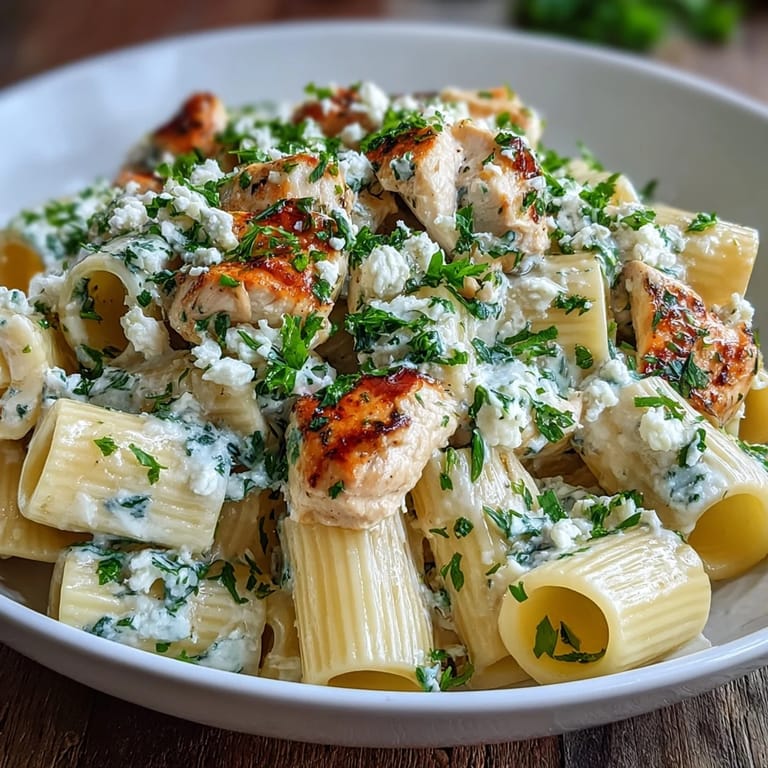
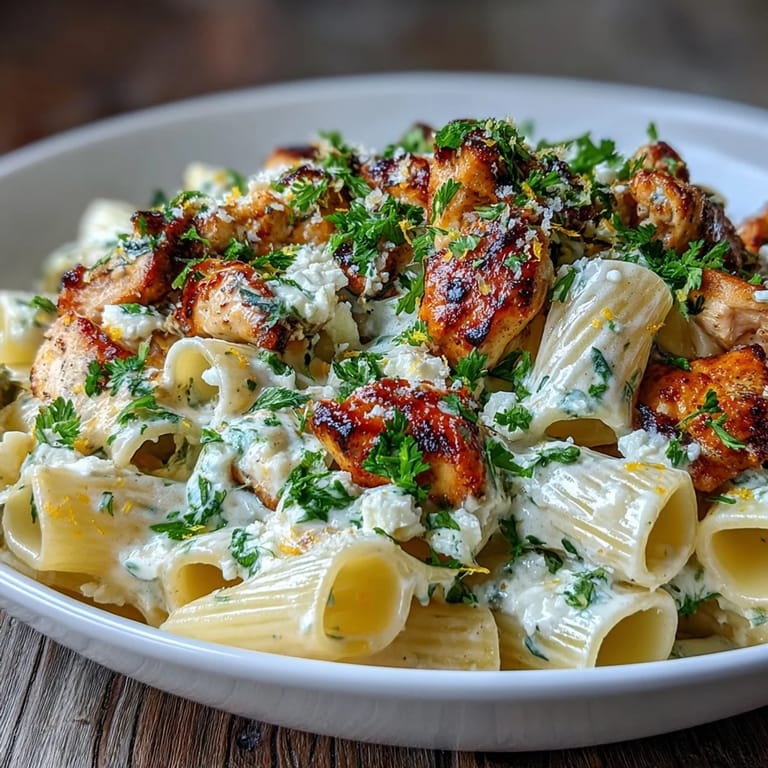
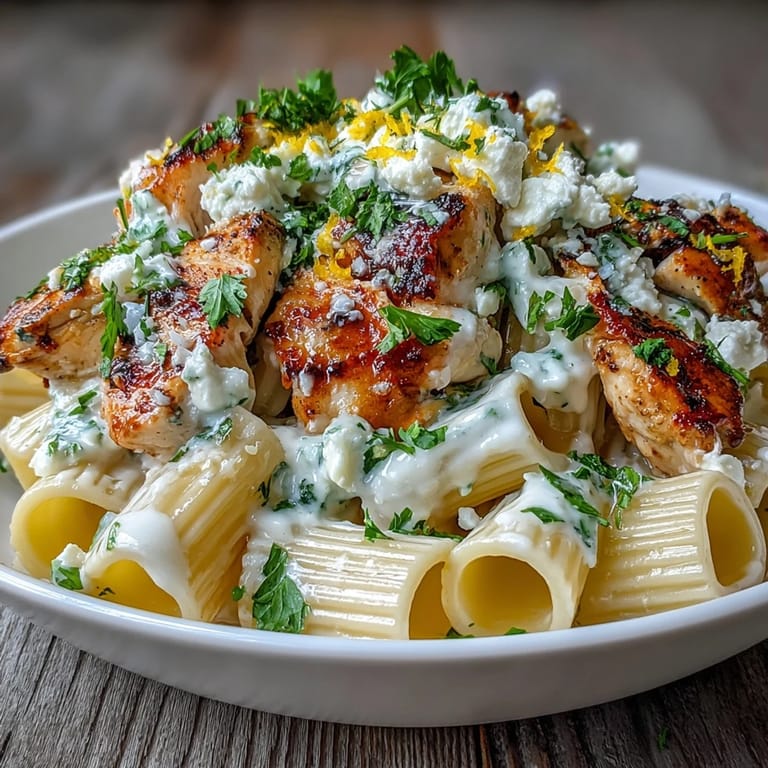
 There's something about the way lemon and feta come together that makes you feel like you're cooking in a sun-drenched Mediterranean kitchen, even if you're standing at your stove on a rainy Tuesday. I discovered this dish accidentally one evening when I had cream, chicken, and a lemon that needed using before it went bad, and somehow it became the meal I make when I want to feel both comforted and a little fancy. The creamy sauce catches the bright acidity of the lemon perfectly, and the feta adds this salty, tangy note that somehow makes everything taste more intentional than it actually is.
I made this for my neighbor one night when she mentioned offhand that she couldn't cook, and watching her face light up when she tasted it was better than any compliment. She's made it three times since, and she still texts me photos like she discovered it herself, which I think is the highest compliment a recipe can get.
Ingredients
- Penne or rigatoni, 340 g (12 oz): Tube shapes catch the creamy sauce beautifully, but honestly any short pasta works if that's what you have.
- Chicken breasts, 2 large boneless skinless (about 450 g / 1 lb), cut into bite-sized pieces: Cut them smaller rather than larger so they cook evenly and soak up the sauce.
- Dried oregano, 1 tsp: This is what whispers Greek into the dish without screaming about it.
- Salt and black pepper, 1/2 tsp each plus more to taste: Don't skip seasoning the chicken raw; it makes all the difference.
- Olive oil, 2 tbsp: Use something you actually like the taste of, not the cheap stuff.
- Garlic, 3 cloves minced: Mince it fine so it melts into the sauce rather than leaving little chunks.
- Lemon zest and juice from 1 large lemon: This is the backbone of the whole thing, so use a real lemon and zest it before juicing.
- Heavy cream, 180 ml (3/4 cup): Full fat is worth it here; the richness is kind of the point.
- Chicken broth, 60 ml (1/4 cup): Just enough to stretch the sauce without diluting the flavor.
- Feta cheese, 100 g (3.5 oz) crumbled: Buy it in chunks if you can and crumble it yourself; the pre-crumbled stuff is drier.
- Parmesan cheese, 50 g (1/2 cup) grated: Freshly grated makes a difference in how smoothly it melts.
- Fresh parsley, 2 tbsp chopped: Add it at the end so it stays bright and doesn't cook into nothing.
Tired of Takeout? 🥡
Get 10 meals you can make faster than delivery arrives. Seriously.
One email. No spam. Unsubscribe anytime.
Instructions
- Get the pasta going:
- Fill a large pot with salted water and bring it to a rolling boil while you prep everything else. Salt the water generously, like you're seasoning soup. Drop in the pasta and cook according to the package time, but taste it a minute or two early to catch it at that perfect al dente moment.
- Season and sear the chicken:
- While the pasta cooks, toss your chicken pieces with oregano, salt, and pepper on a cutting board. Heat olive oil in a large skillet over medium-high heat until it shimmers, then add the chicken in a single layer and let it sit for a minute before stirring. This golden-brown seared exterior is where the flavor lives.
- Build the sauce foundation:
- Once the chicken is cooked through and golden (about 6 to 8 minutes), transfer it to a clean plate. In that same skillet with all the chicken drippings, add your minced garlic and let it sizzle for just 30 seconds until it's fragrant but not browned. This is where the magic begins.
- Create the creamy lemon base:
- Pour in the lemon zest, lemon juice, heavy cream, and chicken broth, stirring as you go. Bring it to a gentle simmer, and you'll immediately notice how the cream and lemon start playing off each other. Let it bubble softly for a minute to meld the flavors.
- Melt in the cheeses:
- Reduce the heat to low and add the crumbled feta and grated Parmesan, whisking constantly. They'll melt into the sauce and make it thick and glossy; if you see little cheese bits, keep whisking gently. Taste it now and adjust salt and pepper, remembering both cheeses are salty.
- Bring it all together:
- Return the cooked chicken to the skillet along with the drained pasta, then toss everything until it's coated in that silky sauce. If it feels too thick, add the reserved pasta water a splash at a time until it reaches that creamy-but-not-heavy consistency. Finish with the fresh parsley, a final taste, and serve right away.
 Save It
 This dish showed me that some of the best meals aren't the complicated ones you plan for weeks; they're the ones that come together when you stop overthinking and trust that good ingredients in the right combination just know what to do. It's become my go-to when I want to feel like I've accomplished something in the kitchen without feeling like I've worked.
Why Lemon and Feta Are Best Friends
There's a reason these two flavors show up together in Mediterranean cooking; the brightness of lemon cuts through the salinity and tanginess of feta so perfectly that neither one overpowers the other. The first time I made this, I was worried the feta would taste too strong or the lemon too sharp, but together they create this balanced flavor that's bigger than the sum of its parts. It's like they were waiting for the cream to come along and soften them both into something elegant.
The Pasta Water Hack That Changed Everything
I used to drain my pasta and rinse it (a habit from childhood that took years to break), and I wondered why restaurant sauces always clung to noodles better than mine. The day I started saving that starchy water was the day my pasta dishes transformed; it's the difference between a sauce that coats and a sauce that pools at the bottom of the bowl. Now I always reserve it without thinking, and it's become one of those quiet kitchen skills that makes everything taste more intentional.
Making This Recipe Your Own
The beauty of this dish is that it has a strong enough flavor foundation to welcome additions without losing its identity. I've thrown in handfuls of baby spinach at the end, let it wilt right into the sauce, or scattered cherry tomatoes through it for brightness and texture. Some nights I reduce the cream by half and whisk in Greek yogurt instead, which makes it lighter and tangier without sacrificing creaminess; it's a completely different meal but somehow even more satisfying.
- Fresh spinach, sun-dried tomatoes, or roasted red peppers all slip into this sauce like they belong there.
- A pinch of red pepper flakes or fresh dill changes the personality without breaking it.
- If you want it lighter, Greek yogurt is your friend, but whisk it in off the heat so it doesn't curdle.
 Save It
 This is the kind of dish that proves you don't need hours or a dozen ingredients to make something that tastes like real food. Make it tonight, and I promise it'll become one of those recipes you reach for without thinking.
Common Questions About Recipes
- → Can I use a different type of pasta?
Absolutely. While penne and rigatoni work beautifully to catch the creamy sauce, you can substitute fusilli, farfalle, or even spaghetti. Short pasta with ridges or tubes holds the sauce particularly well.
- → Is this dish freezer-friendly?
The pasta and sauce combination doesn't freeze well as the cream can separate when thawed. However, you can freeze the cooked chicken separately and make fresh sauce when ready to serve.
- → Can I make this lighter?
Yes. Substitute half of the heavy cream with Greek yogurt for a lighter version while maintaining creaminess. You can also increase the vegetables by adding spinach or cherry tomatoes.
- → What wine pairs best with this dish?
A crisp Sauvignon Blanc or Greek Assyrtiko complements the tangy feta and lemon beautifully. The wine's acidity balances the rich cream sauce while enhancing the Mediterranean flavors.
- → How do I store leftovers?
Store in an airtight container in the refrigerator for up to 3 days. Reheat gently with a splash of cream or pasta water to restore the creamy consistency. The pasta will absorb more sauce as it sits.
- → Can I use chicken thighs instead?
Certainly. Boneless skinless chicken thighs work wonderfully and stay juicy. Adjust cooking time slightly as thighs may take a few extra minutes to cook through completely.