 Save It
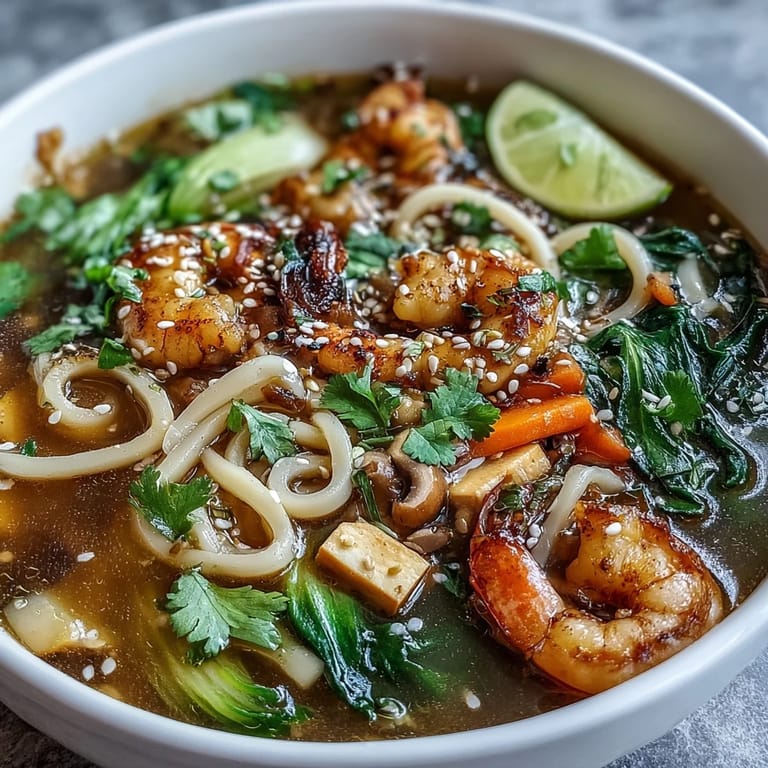
 Last winter my friends came over for what was supposed to be a quick dinner but turned into a three hour feast around my dining table. I'd set up these tiny individual burners I impulse bought years ago, suddenly realizing they were perfect for mini hot pots. Everyone started chatting about their toppings like they were describing art supplies. The steam rising from each bowl made the whole room feel warm and alive in a way takeout never could.
My sister refused to cook anything at the table until she tried it, then immediately asked if we could do this every Sunday. She kept dipping beef into her broth until it was perfectly medium rare, beaming like she'd discovered a superpower. The best part was watching my normally picky friend try bok choy because someone else put it in their bowl first.
Ingredients
- Broth foundation: Six cups of low sodium chicken or vegetable broth creates the base while letting your chosen proteins shine through.
- Soy sauce: Two tablespoons adds depth and that essential umami backbone without overpowering delicate ingredients.
- Miso paste: One tablespoon whisked in creates richness and complexity that keeps people asking what your secret is.
- Aromatics: Two sliced garlic cloves and one inch of fresh ginger infuse the broth while it simmers.
- Sesame oil: Just one teaspoon stirred in at the end adds that nutty finish that makes everything taste restaurant quality.
- Proteins: Choose two or three from thinly sliced beef sirloin, chicken breast, cubed firm tofu, or peeled shrimp.
- Noodles: Two hundred grams of cooked udon or rice noodles form the hearty base that soaks up all that flavorful broth.
- Vegetables: Baby bok choy, shiitake mushrooms, napa cabbage, carrots, and corn add crunch and color.
- Scallions: Two sliced scallions sprinkled on top provide the fresh bite that cuts through rich broth.
- Dipping sauces: Set out extra soy sauce, chili oil, cilantro, lime wedges, and toasted sesame seeds for customizing.
Tired of Takeout? 🥡
Get 10 meals you can make faster than delivery arrives. Seriously.
One email. No spam. Unsubscribe anytime.
Instructions
- Build your flavor base:
- Combine broth, soy sauce, miso paste, garlic, ginger and sesame oil in a large pot. Bring to a gentle simmer over medium heat, letting those aromatics meld for ten minutes. Strain out the solids if you prefer a cleaner broth.
- Set the stage:
- Divide cooked noodles evenly among four heatproof bowls that can go on your table burners. Arrange all your proteins and vegetables on pretty platters so everything feels abundant and inviting.
- Bring it together:
- Pour that steaming hot broth over the noodles, filling each bowl about two thirds full. Place each bowl on its own portable burner right at the table so guests can cook exactly what they want.
- Let everyone dive in:
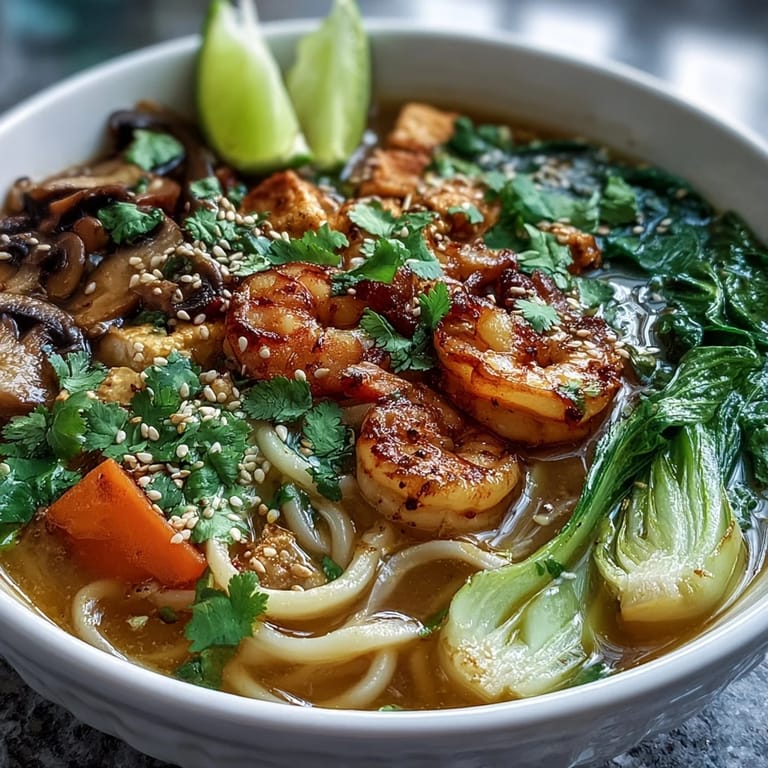
- Show guests how to add their chosen proteins and vegetables to the simmering broth. Beef and shrimp cook in just one to two minutes while chicken needs two to four minutes, and tofu and vegetables can go as long as they like.
 Save It
 These mini hot pots have become my go to for dinner parties because they solve every host's dilemma. Nobody finishes cooking and wonders where to sit because the cooking and eating happen together naturally. My friend Mark still talks about the night he finally learned how to properly cook shrimp in broth without making it rubbery.
Making It Your Own
Swap in vegetable broth and use only tofu for a completely plant-based version that still feels substantial and satisfying. The beauty of this dish is how easily it adapts to whatever dietary needs show up at your table without requiring separate meals or extra work.
Broth Secrets
Let your broth simmer longer than you think necessary because those ten minutes of gentle heat transform separate ingredients into something cohesive. I learned this the hard way when I rushed it once and could taste each component instead of one harmonious soup.
Perfect Pairings
Crispy spring rolls or potstickers on the side add texture contrast without competing with the star of the show. Cold beer or dry riesling cuts through the rich broth beautifully.
- Cucumber salad brightened with rice vinegar
- Steamed dumplings with any filling you love
- Simple jasmine rice for soaking up extra broth
 Save It
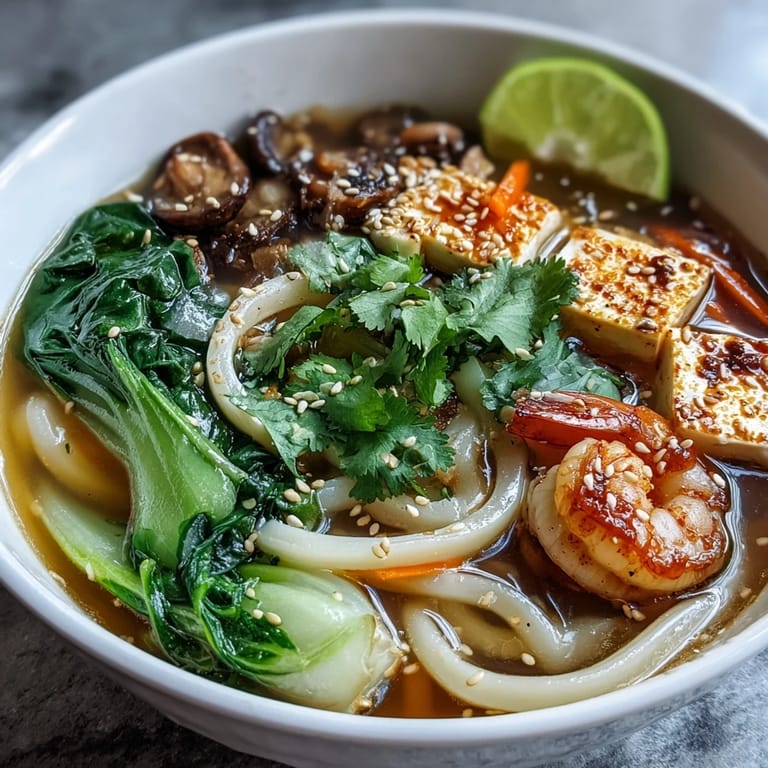
 There is something deeply satisfying about watching steam rise from individual bowls while conversation flows around the table. Every person gets exactly the dinner they wanted without you running around like a short order cook.
Common Questions About Recipes
- → What makes mini hot pot bowls different from traditional hot pot?
Mini hot pot bowls provide individual servings instead of one shared pot. Each guest gets their own heatproof bowl with broth and noodles, allowing personal customization of proteins, vegetables, and seasonings without sharing cooking space.
- → How do I keep the broth hot at the table?
Use portable butane burners or electric heating elements designed for tabletop cooking. Place each bowl on its own burner to maintain simmering temperature throughout the meal.
- → Can I prepare components ahead of time?
Yes. Slice proteins and vegetables up to 4 hours in advance, storing them refrigerated in airtight containers. Prepare the broth base and reheat when ready to serve. Cook noodles just before assembling to prevent sticking.
- → What proteins work best for quick cooking?
Thinly sliced beef sirloin and chicken breast cook in 1-4 minutes. Shrimp require only 1-2 minutes, while firm tofu cubes need minimal heating. Slice meats against the grain for maximum tenderness.
- → How can I make this vegetarian or gluten-free?
Use vegetable broth instead of chicken broth, select tofu as your protein, and replace soy sauce with gluten-free tamari. Choose rice noodles over wheat-based udon for a completely gluten-free version.
- → What vegetables hold up best in hot broth?
Baby bok choy, shiitake mushrooms, napa cabbage, and sliced carrots maintain texture while cooking. Avoid delicate greens that wilt quickly. Add sturdier vegetables first, then quick-cooking items near the end.